
Life in Gilded Age high society may have looked elegant and effortless, but behind the grand homes and lavish gatherings, people faced pressure, expectations, and constant scrutiny. For many, being part of the elite was not simply about wealth, it was about maintaining an image and proving that they truly belonged.
Gilded Age High Society Status Had to Be Constantly Maintained
In high society, status was never secure. Even wealthy families had to continually prove their place among the elite. Social standing depended on reputation, connections, and how one was perceived by others. A single misstep could quietly affect how others viewed them.
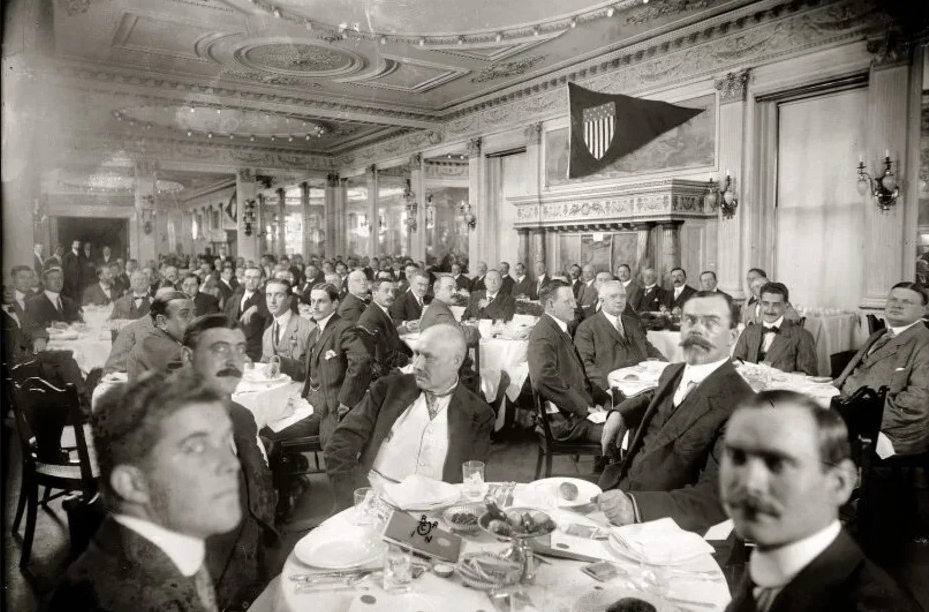
Appearances Were Everything
Clothing, behavior, and presentation were carefully managed. Attending the right events, wearing the right attire, and following social expectations were not optional. These details showed belonging and influence. Over time, maintaining this image could become exhausting.
Social Circles Were Highly Selective
Not everyone with wealth was accepted. Old money families often controlled access to elite circles. Families carefully managed invitations, introductions, and relationships. Being excluded, even subtly, could carry social consequences.
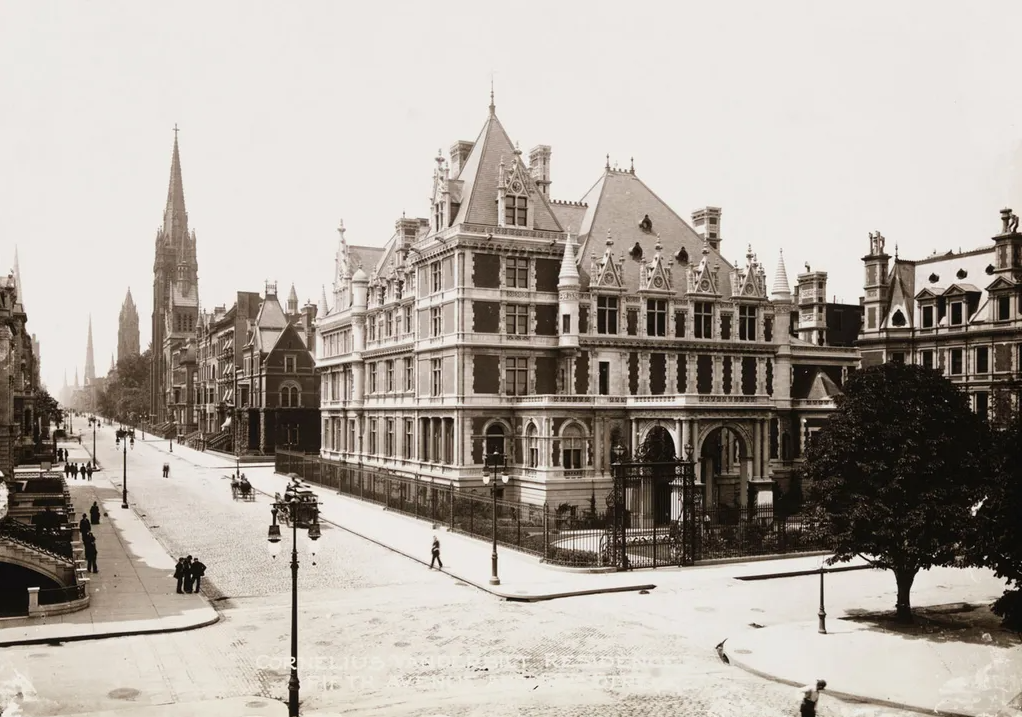
Reputation Carried Real Consequences
Reputation was more than perception, it became currency. How someone was spoken about could influence opportunities, relationships, and standing in society. Because of this, many people lived cautiously, aware that their actions were constantly observed.
Competition Was Quiet but Constant
Unlike obvious rivalry, competition in high society was subtle. Families compared status, influence, and social success. Families used events, alliances, and appearances to stay ahead.
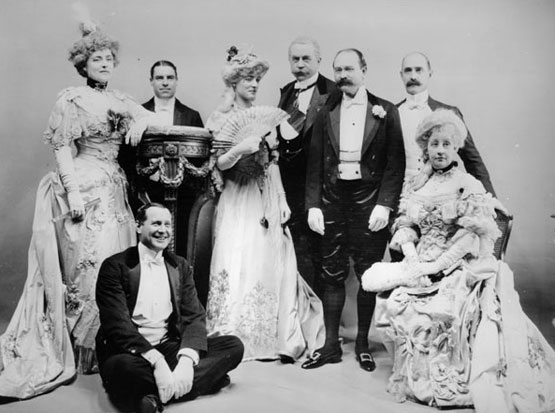
There Was Pressure to Always Perform
Being part of the elite meant playing a role. Social expectations shaped behavior, conversations, and even personal choices. Over time, this created pressure to always appear composed, successful, and in control.
A Different Perspective on Wealth
While the Gilded Age is often remembered for its luxury, it also reflects the weight that can come with status and visibility. Wealth provided opportunity, but it also came with expectations that were not always easy to sustain.
Why It Still Feels Familiar Today
Although the Gilded Age belongs to the past, some of its social patterns still feel recognizable. The balance between image, influence, and belonging continues to shape modern life in different ways.
As a result, looking at the era this way shifts the focus from glamour to experience. It highlights how pressure, perception, and expectations have long influenced how people present themselves and navigate social spaces. Seen through this lens, the Gilded Age feels less distant and more like an earlier version of dynamics we still encounter today.