
We’ve all heard that breakfast is the most important meal of the day. Yet for many people, breakfast looks more like a rushed cup of coffee, a protein bar on the way to work, or simply hoping lunch arrives sooner rather than later.
Life gets busy. Alarms get snoozed. Emails start arriving before we’ve even fully woken up. As a result, breakfast is often the first thing sacrificed when mornings feel hectic.
The interesting part is that most people do not skip breakfast because they dislike it. They skip it because life gets in the way. That is why healthy breakfast ideas continue to trend. People are not necessarily looking for gourmet recipes. They are looking for realistic solutions.
Why Breakfast Feels So Difficult Some Mornings
Many wellness habits sound easy in theory. Wake up early. Exercise. Make a healthy breakfast. Start the day feeling energized. Reality often looks different.
Some mornings begin with a late alarm, a child who cannot find their shoes, an overflowing inbox, or a long commute. By the time everything is moving, breakfast feels optional.
That is one reason so many people struggle with consistency. The challenge is rarely knowing what to eat. The challenge is finding something that works on busy days.
What Successful Breakfast Habits Have in Common
When people manage to maintain a breakfast routine, it is usually not because they have more discipline. More often, they have made breakfast easier. Successful breakfast habits tend to have a few things in common. They are simple, quick to prepare, easy to repeat, and realistic for everyday life.
In other words, they work even when motivation is low and schedules are full. That may not sound exciting, but practical habits are often the ones that last.
Healthy Breakfast Ideas That Fit Real Life
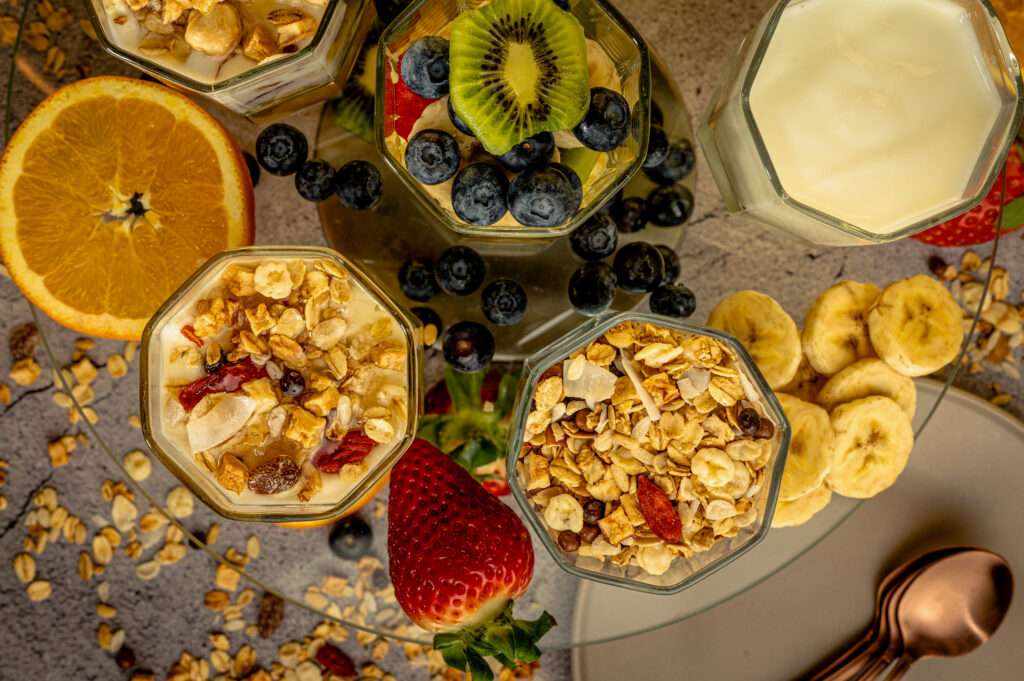
Greek yogurt with fruit and nuts remains popular because it takes only a few minutes to prepare.
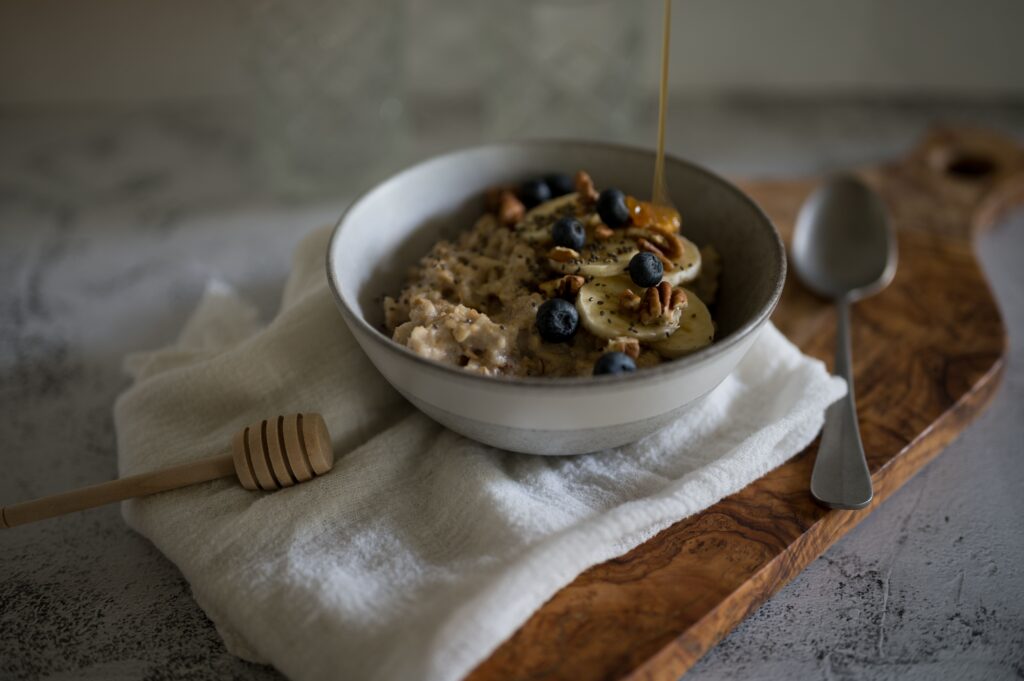
Oatmeal continues to be a favorite because it is affordable, versatile, and easy to customize.
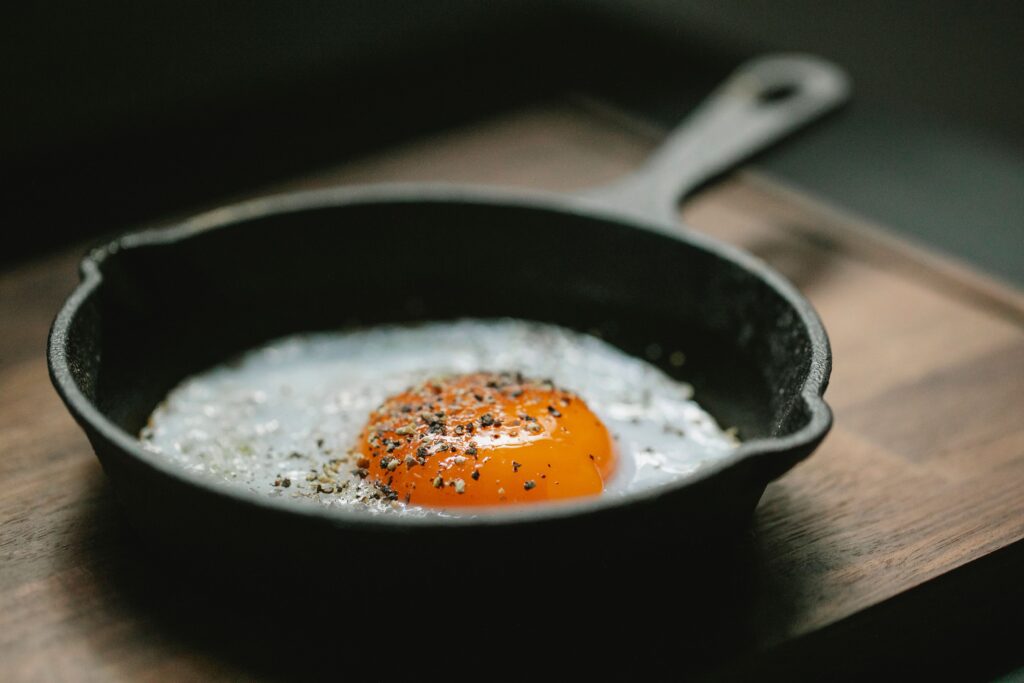
Eggs work well because they can be cooked in several ways and paired with different foods depending on what is available.
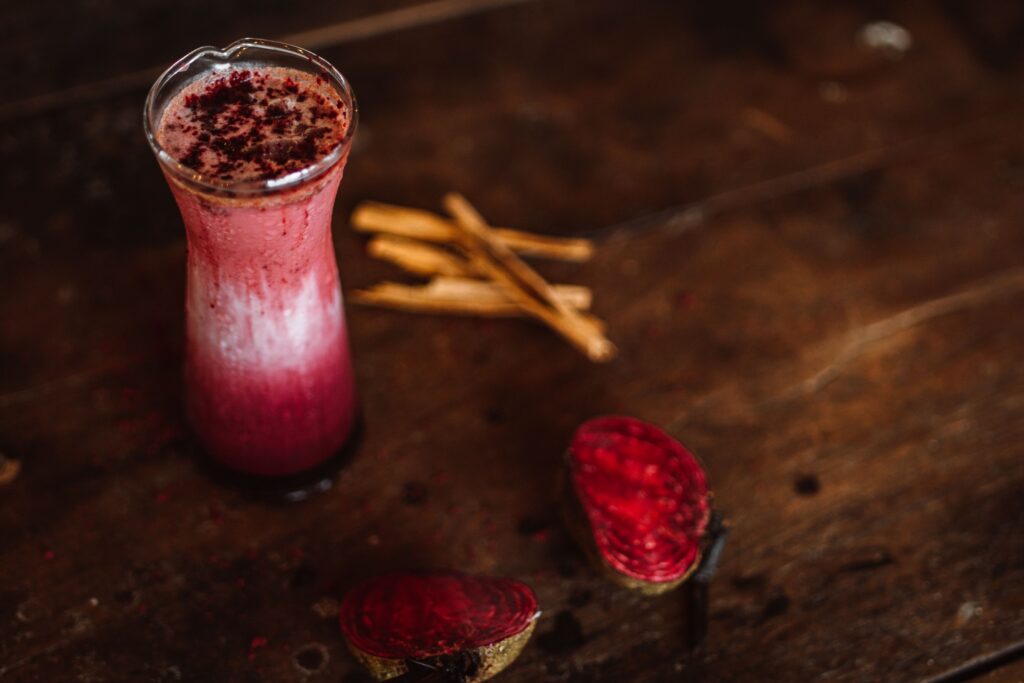
Smoothies are useful for people who prefer something portable.
Overnight oats remove much of the morning preparation because they are ready before the day begins.
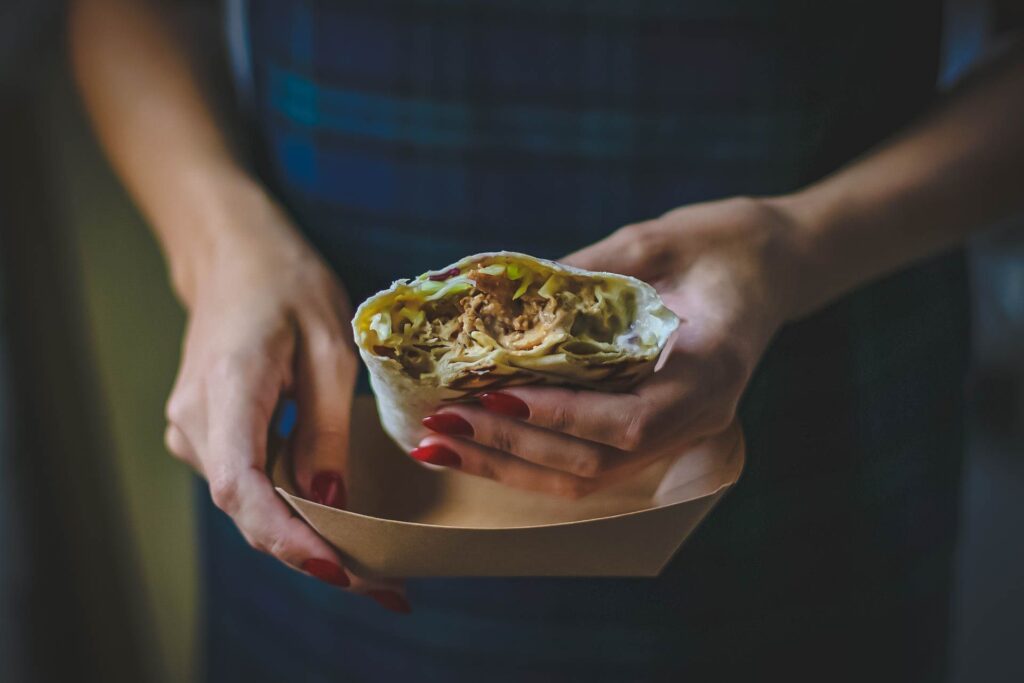
Other simple ideas include cottage cheese bowls, peanut butter and banana toast, breakfast burritos, chia pudding, and egg muffins prepared ahead of time.
Notice that none of these options are complicated. That is part of their appeal.
The Goal Is Not a Perfect Breakfast
Social media can sometimes make healthy eating feel like a full time hobby. Beautiful breakfast photos can be inspiring, but they can also create unrealistic expectations.
Most people do not need a carefully styled breakfast board or a recipe that requires fifteen ingredients. A simple meal that fits into your routine is often more valuable than a perfect meal you never have time to make.
The goal is not perfection. The goal is consistency.
Why Small Choices Matter
One breakfast will not change your life. However, small decisions repeated over time often shape larger habits.
Preparing breakfast the night before, keeping a few simple ingredients on hand, or choosing a balanced option a few times each week can make mornings feel less stressful.
More importantly, those small choices can build momentum. When a habit feels manageable, it becomes easier to repeat.
That is often how lasting wellness habits are formed.
Final Thoughts
Healthy breakfast ideas do not have to be complicated to be effective.
The best breakfast is usually the one that fits your schedule, satisfies your hunger, and feels realistic enough to repeat.
Whether it is oatmeal, eggs, a smoothie, or yogurt with fruit, the goal is not to create a perfect morning routine. It is to make healthy choices easier on the days when life feels busy.
If you are interested in building sustainable fitness and nutrition habits, Holistic Living for Fitness: A Mindful Approach to Workouts, Meal Planning, and Lasting Weight Loss in a Hectic Worldexplores practical approaches to meal planning, mindful eating, workouts, and healthy routines designed for real life. Sometimes the habits that make the biggest difference are also the simplest.