The Gilded Age is often remembered for its grand mansions, elegant gatherings, and extraordinary displays of wealth. However, beneath the polished surface, a quieter and more complex reality existed. Wealth alone did not guarantee belonging. To truly belong, individuals needed to understand the subtle social dynamics that shaped elite society.
More Than Wealth, It Was About Belonging
In the Gilded Age, having money did not automatically grant acceptance. Old money families often viewed new wealth with skepticism, creating a clear divide between those already established and those trying to enter elite circles. In many ways, belonging required more than financial success. It required recognition, approval, and the right connections.
The Rules No One Spoke About
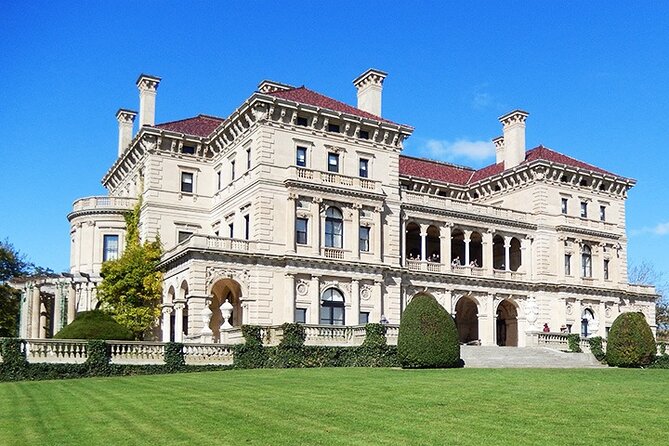
Unspoken rules shaped much of high society. Etiquette, timing, and behavior all influenced how people viewed one another. For example, families carefully managed invitations, and they treated introductions as strategic moments. Even small missteps could quietly affect one’s standing. Although no one formally documented these rules, members of high society widely understood them.

Status Was Carefully Performed
Appearances carried significant weight. Elite families actively displayed their status through clothing, mannerisms, and social events. These choices did not simply reflect wealth but clearly signaled status. As a result, hosting elaborate gatherings or attending the right functions helped communicate influence and belonging. Every detail, from presentation to behavior, shaped how others perceived them.
Power Moved Quietly
Influence did not always appear openly. Instead, individuals shaped many decisions and alliances behind closed doors. Social positioning, relationships, and reputation often determined who held real power. In many cases, people relied more on private networks than public display and more on private networks and connections.
The Cost of Staying In
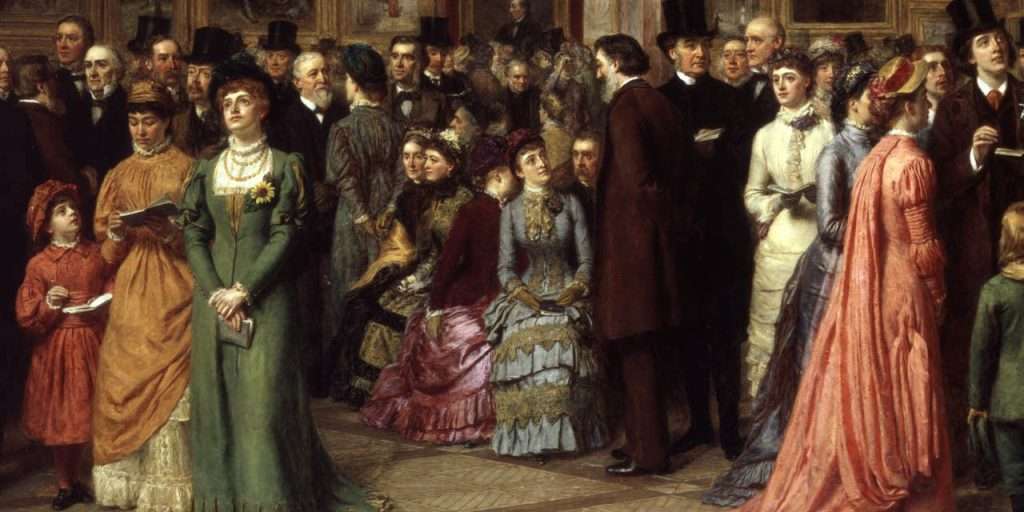
Maintaining status required continuous effort. Once society accepted them, individuals faced constant pressure to uphold expectations and avoid missteps. Reputation often shifted quickly, and social exclusion remained a real possibility. As a result, people constantly worked to prove they belonged.
A Familiar Pattern
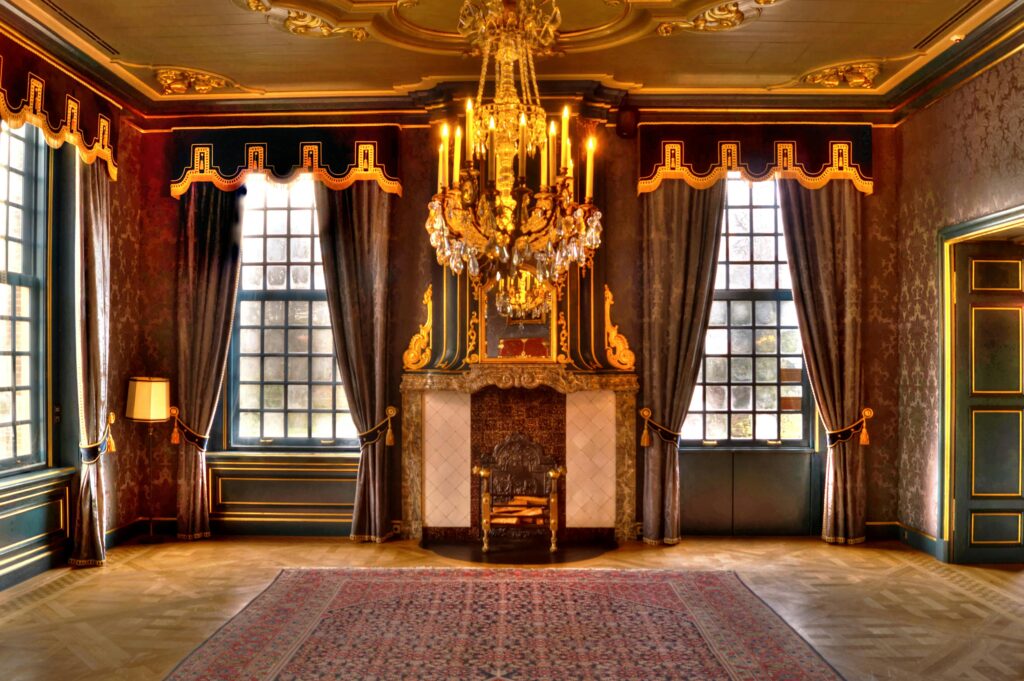
While the Gilded Age belongs to a different time, some of its social patterns still feel recognizable today. Over time, the balance between perception, influence, and belonging continues to shape how people navigate social spaces. In many ways, these patterns still influence modern social dynamics.
Looking Beyond the Surface
The Gilded Age was more than a period of wealth and elegance. It was also a time shaped by social dynamics, quiet competition, and the constant pursuit of belonging. Looking beyond the surface reveals a deeper understanding of how influence and status were built and maintained.
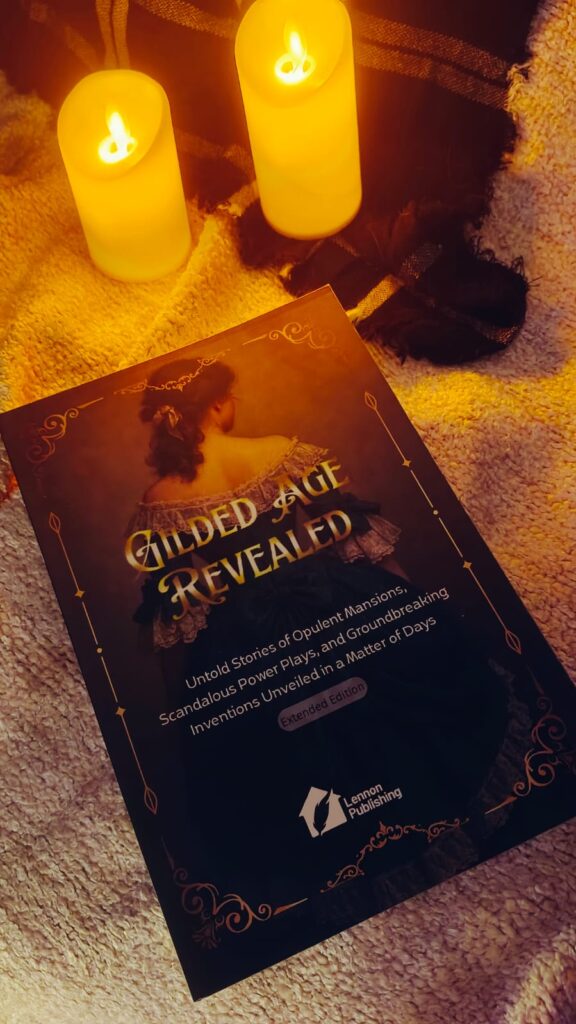
If you enjoy exploring stories that go beyond appearances, the Gilded Age Revealed: Untold Stories of Opulent Mansions, Scandalous Power Plays, and Groundbreaking Inventions Unveiled in a Matter of Daysoffers a fascinating look into a world shaped by ambition, structure, and subtle power.
Join our newsletter to hear about new releases, historical insights, and occasional updates from Lennon Publishing.